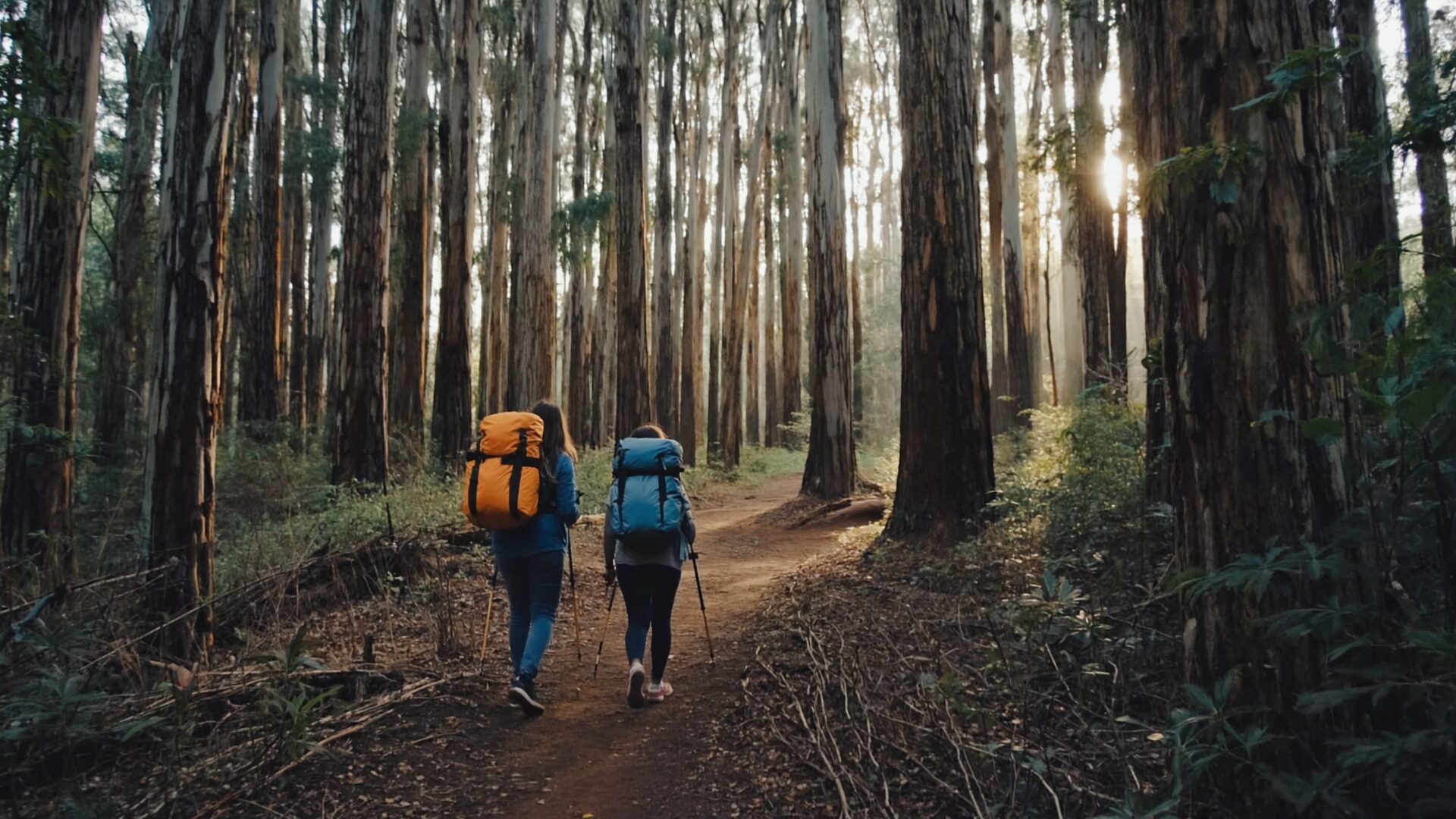
Camping & Outdoors in Australia
From coastal campgrounds and national parks to outback rest areas and alpine huts, Australia has camping for every style and skill level. Use this guide to choose a campsite, plan facilities, pack the right gear, and travel safely.
Camping hub ·
National Parks ·
Free Camping & Rest Areas ·
Toilet Finder ·
Public Showers ·
24/7 & After‑Hours
Types of camping
- Holiday parks & caravan parks: Powered/unpowered sites, amenities blocks, camp kitchens — great for families and first‑timers.
- National park campgrounds: Scenic sites near walks and lookouts; often require advance bookings and park passes.
- Beach & foreshore camping: Council‑managed or park sites close to the ocean; check local rules, tides, and wind exposure.
- Outback & remote: Roadhouse campgrounds, bush camps and designated rest areas — plan water, shade, and fuel.
- Hike‑in or alpine huts: Minimal facilities; pack in/pack out and check conditions and closures.
Planning basics
- Pick a region: Start with Routes A–Z or browse by state below.
- Check access: 2WD vs 4WD, unsealed roads, low‑clearance hazards, and seasonal closures.
- Book ahead: Popular coastal and park sites often sell out in school holidays and long weekends.
- Facilities: Confirm toilets, water, showers, and dump points. Use the Toilet Finder and Public Showers near towns.
- Permits & fees: Many parks require camping permits and day passes — see the National Parks hub for links.
Where to camp
Coastal favourites
- Great Ocean Road (VIC) — surf beaches and lookouts
- Grand Pacific Drive (NSW) — ocean pools and headlands
- Coral Coast (WA) — reef, snorkelling, coastal campgrounds
- Sunshine Coast (QLD) — beaches and coastal walks
Parks & nature
- National Parks hub — passes, bookings, alerts
- Flinders Ranges (SA) — gorges and outback skies
- Cradle Mountain (TAS) — alpine boardwalks
- Lamington (QLD) — rainforest and lookouts
Facilities you’ll need
- Near Me — find toilets when you reach a town or park.
- Accessible Toilets & Adult Change.
- Parents’ rooms — handy for family trips.
- Public showers — beach precincts and some parks.
- 24/7 & after‑hours — late arrivals and long hauls.
Packing list (essentials)
- Shelter: tent/swags/van setup, mallet, groundsheet, pegs for sand or hard ground
- Sleep: sleeping bags rated for season, mats or stretchers, pillows
- Cooking: stove, fuel, lighter, cookware, utensils, esky/fridge, biodegradable soap
- Water: minimum 3–5 L per person/day (more in hot or remote regions)
- Lighting & power: headlamps, lantern, spare batteries or power bank
- Navigation & safety: maps, first‑aid kit, sunscreen, hat, insect repellent
- Waste: rubbish bags; pack out everything unless bins are provided
By state
Safety & rules
- Fires: Observe fire bans and use designated fire pits. Never leave a fire unattended; extinguish with water until cold.
- Wildlife: Store food securely; don’t feed animals; watch for snakes in warm months.
- Roads: Reduce tyre pressure on sand tracks; carry a compressor and shovel; avoid driving at dusk/dawn.
- Leave No Trace: Pack out all rubbish, use toilets where provided, protect water sources.
- Remote trips: Share an itinerary, carry extra water/fuel, and consider a PLB or sat‑comm for outback routes.
FAQs
Can I free camp anywhere?
No. Free camping is only allowed where local laws permit it. Check signage and see Free Camping & Rest Areas for state‑by‑state rules.
Do I need to book national park campsites?
Often yes — especially in peak seasons. Use the National Parks hub to find booking links and current alerts.
How do I find showers when beach camping?
Many foreshore precincts have outdoor or amenities‑block showers. Use Public Showers to locate them near your campsite.
What’s a safe water carry for remote trips?
Plan 3–5 litres per person per day for drinking — more for hot conditions — plus extra for cooking and washing. Do not rely on park tanks.
Is 2WD okay for national park campgrounds?
Many are 2WD‑accessible in dry conditions. Check road status, unsealed sections, and recent weather before you go; some sites require high clearance or 4WD.
Related pages
Featured camping regions: Wilsons Promontory (VIC) for coastal walks and family-friendly campgrounds, Kosciuszko (NSW) for alpine camps and summer trails, Lamington (QLD) for rainforest sites and lookouts, Kalbarri (WA) for gorges and coastal cliffs, West MacDonnell (NT) for red-rock gaps and waterholes, Freycinet (TAS) for beaches and short walks, and the Flinders Ranges (SA) for outback scenery. Free and low-cost camps and community rest areas vary from no facilities to full amenities, so check before you go, and use the AussieLoo app for toilets, showers and parents’ rooms near your campsite.